


DANGEROUS GOODS TRANSPORTATION: CLASSIFICATION AND SAFETY REQUIREMENTS
I. What Are Dangerous Goods?
Dangerous goods are items that contain hazardous substances during transportation, which may pose risks such as explosions, flammability, toxicity, infection, or corrosiveness. These goods can endanger human life, health, the environment, safety, and security, so they must be carefully packaged, labeled, and handled throughout the transportation process.
II. Classification of Dangerous Goods
Based on their physical and chemical characteristics, dangerous goods are divided into 9 major classes:
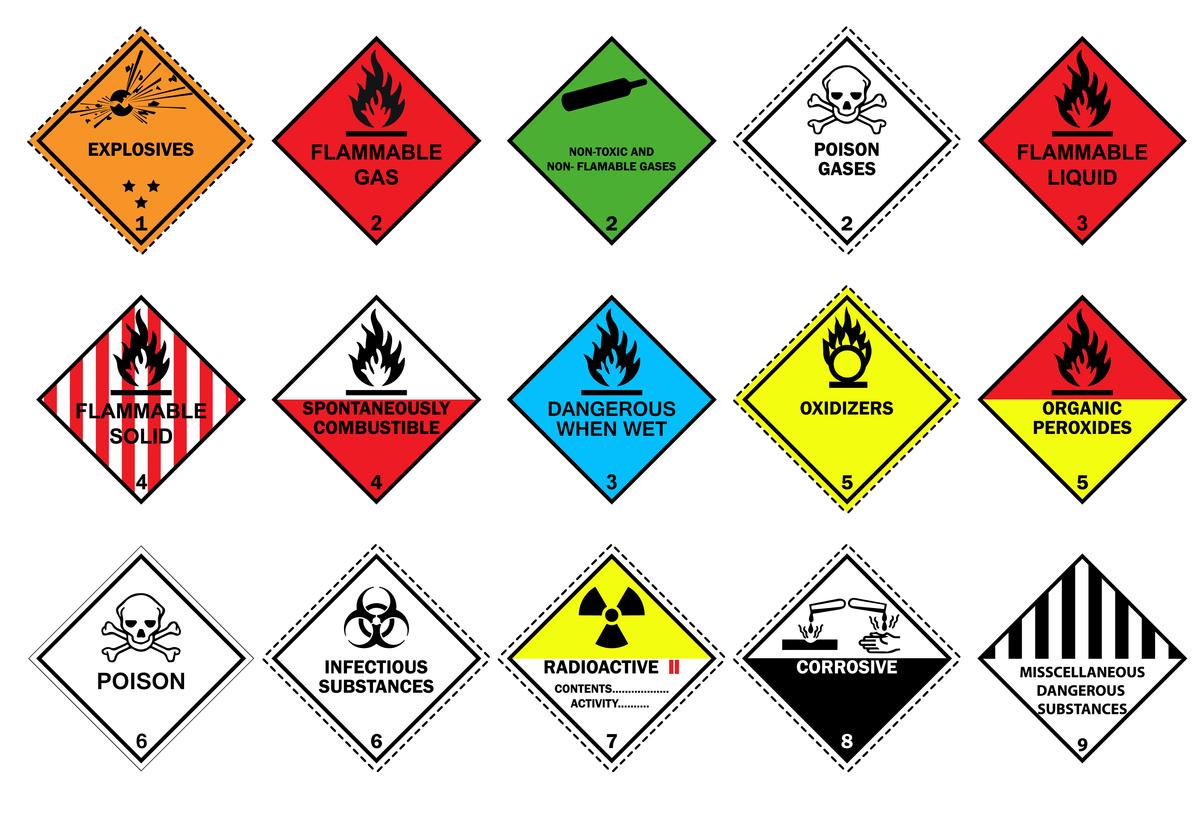
Image 1: Dangerous Goods Classification
Class 1 – Explosives
Includes substances and materials with explosive properties (e.g., fireworks). Subdivisions (1.1–1.6) are based on the level and type of explosion risk.
Class 2 – Gases
Compressed, liquefied, or dissolved gases. Subdivisions include flammable gases, non-flammable non-toxic gases, and toxic gases.
Class 3 – Flammable Liquids
Includes flammable liquids and desensitized liquid explosives (e.g., paints, gasoline, alcohol).
Class 4 – Flammable Solids and Reactive Substances
Substances that can ignite easily, self-react, or release flammable gases when in contact with water. This class has subdivisions for solids, self-reactive substances, and water-reactive materials.
Class 5 – Oxidizing and Organic Peroxides
Oxidizing substances and organic peroxides that can cause or enhance combustion.
Class 6 – Toxic and Infectious Substances
Includes toxic chemicals and infectious materials such as medical specimens.
Class 7 – Radioactive Materials
Substances with radioactive properties that pose radiological hazards.
Class 8 – Corrosive Substances
Materials that can destroy living tissue or corrode metals (e.g., acids, bleach).
Class 9 – Miscellaneous Dangerous Goods
Other hazardous materials not covered in Classes 1–8.
To determine the correct class, refer to Section 14 (Transport Information) on the MSDS (Material Safety Data Sheet) or consult the hazard label on the product packaging.
III. Packaging, Containers, and Packing of Dangerous Goods
- Packaging, containers, and the packing of dangerous goods within Vietnam must comply with the relevant national standards (TCVN) or national technical regulations (QCVN) applicable to each type of goods.
For types or groups of dangerous goods that do not yet have specific national standards or technical regulations, the regulations of the relevant management ministry should be followed, or international standards and technical regulations published by the ministry may be applied.
- The relevant management ministry publishes the applicable international standards and technical regulations for the packaging, containers, and packing of dangerous goods under its jurisdiction.
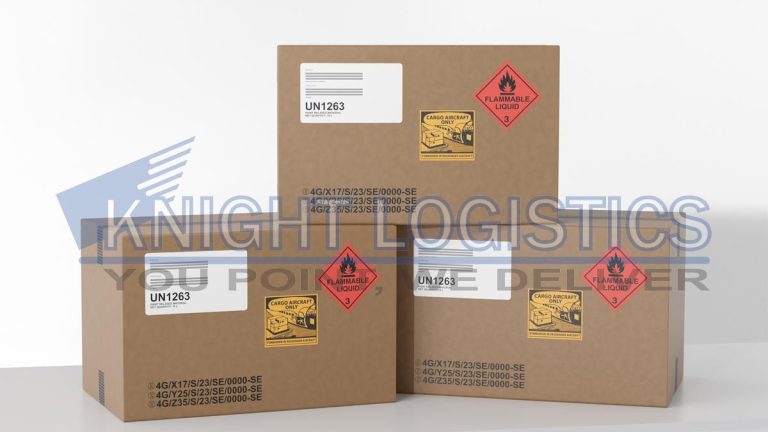
Image 2: Dangerous Goods Packaging
IV. Dangerous Goods Labels and Hazard Signs
- Dangerous goods must be labeled according to government regulations.
- On the exterior of each package or container, dangerous goods must display hazard symbols and hazard signs in clearly visible positions. The size, symbols, and colors of the hazard symbols must comply with the prescribed standards.
- The hazard sign is a rectangular, orange-yellow label with the UN number (United Nations number) displayed in the center. The size of the hazard sign must follow the prescribed standards, and it should be placed below the hazard symbol.
Contact us today to learn more about our Whole Package DG Transportation & Handling service, and ensure the safe and compliant shipping of your hazardous cargo.
Customer Service Department
Featured article
-
HOLIDAY NOTICE – VIETNAM NATIONAL DAY 2026
-

KNIGHT LOGISTICS MAKES A STRONG IMPRESSION AT THE 2026 GLOBAL LOGISTICS COOPERATION CONFERENCE
-

LIVE SEAL IMPORT SERVICES IN VIETNAM – KNIGHT LOGISTICS
-

HOLIDAY NOTICE – HUNG KINGS’ COMMEMORATION DAY & 30/04 – 01/05/2026
-

KNIGHT LOGISTICS STRENGTHENS GLOBAL PRESENCE AT CONFERENCES IN THAILAND

Contact us
For free consultation, quick quote and BOOK ONLINE to receive many attractive offers.
